Plenary Keynote Lectures
We are honored to host plenary keynote lectures by global authorities and experts in the lead-zinc industry. We are confident that these lectures will provide invaluable insights and significant benefits to all symposium participants.
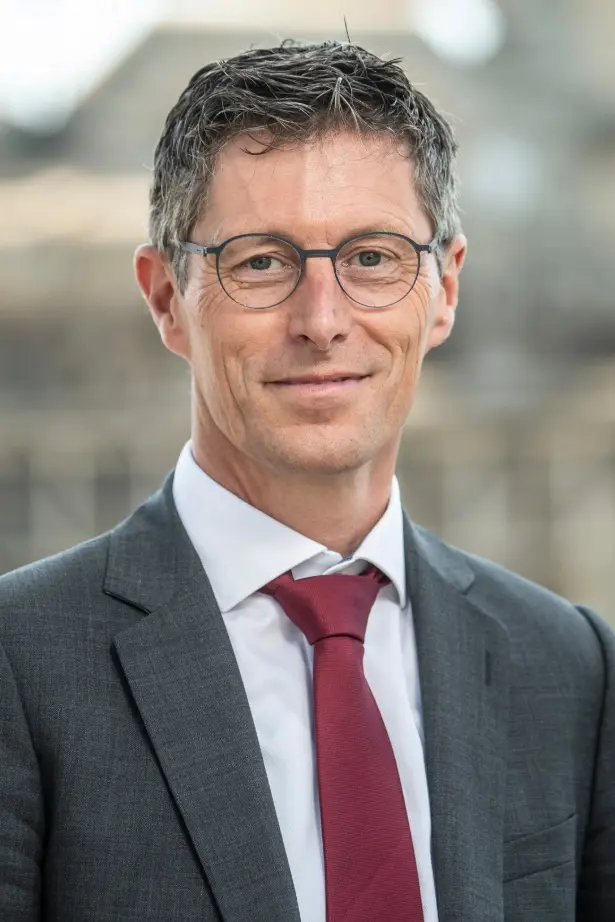
Sustainable Operation of Zinc Smelters with Regards to Energy, Water and Air
Guido joined Nyrstar in 2001, was Head of Leaching and Roasting, and held several management positions. He was General Manager for Nyrstar Netherlands from 2014 to 2016, and then became General Manager for Nyrstar Belgium from 2016 to 2019. In 2018, he became Nyrstar's Vice President for European Operations.
In early 2024, he was appointed Global CEO of the Nyrstar Group and is responsible for the company's global operations in Europe and Australia.
Before joining Nyrstar, Guido worked as Technology Manager for an innovative wastewater treatment company, undertaking projects all over the world.
Guido holds a master’s degree in Chemical Engineering.
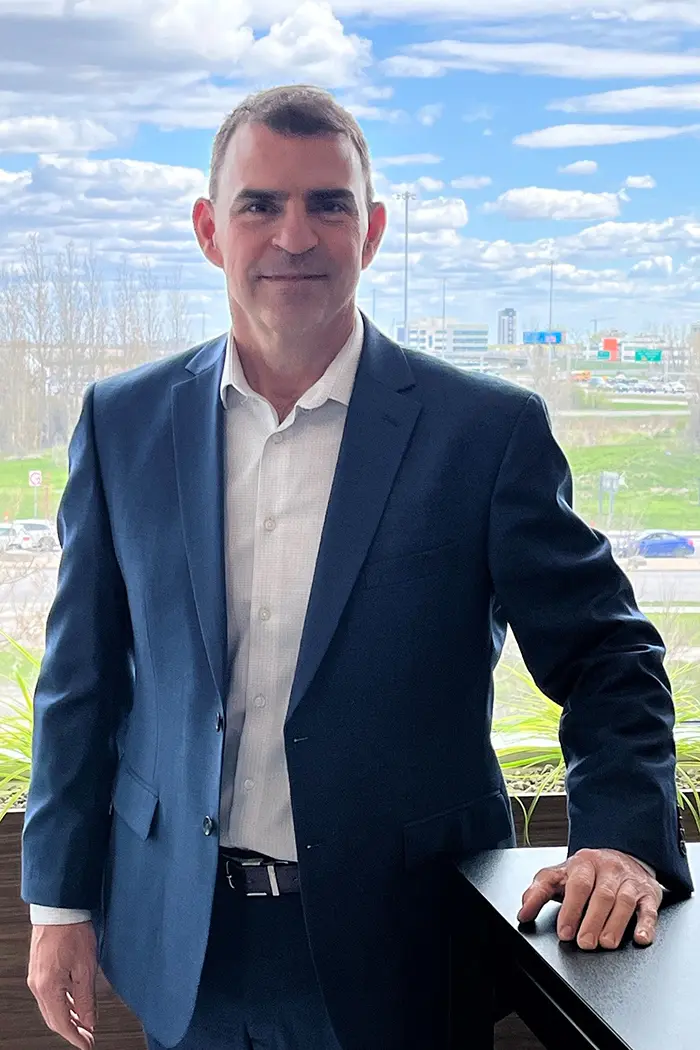
Facing Base Metals Smelting and Refining Challenges in the 2020s
Pascal Coursol has been working in the metallurgical industry for more than 20 years. He holds a Ph.D. from École Polytechnique de Montreal (2004) and is a registered professional engineer in Quebec, Canada. His career covered variety or roles (managment, technical, operational, commercial) in base metals (Zn, Pb, Cu, Ni, Co), light metals (Al and Mg), precious and minor metals. In his current role, he oversees the corporate technical services for Glencore Custom metallurgical assets, including 8 plants located in Canada and Europe.
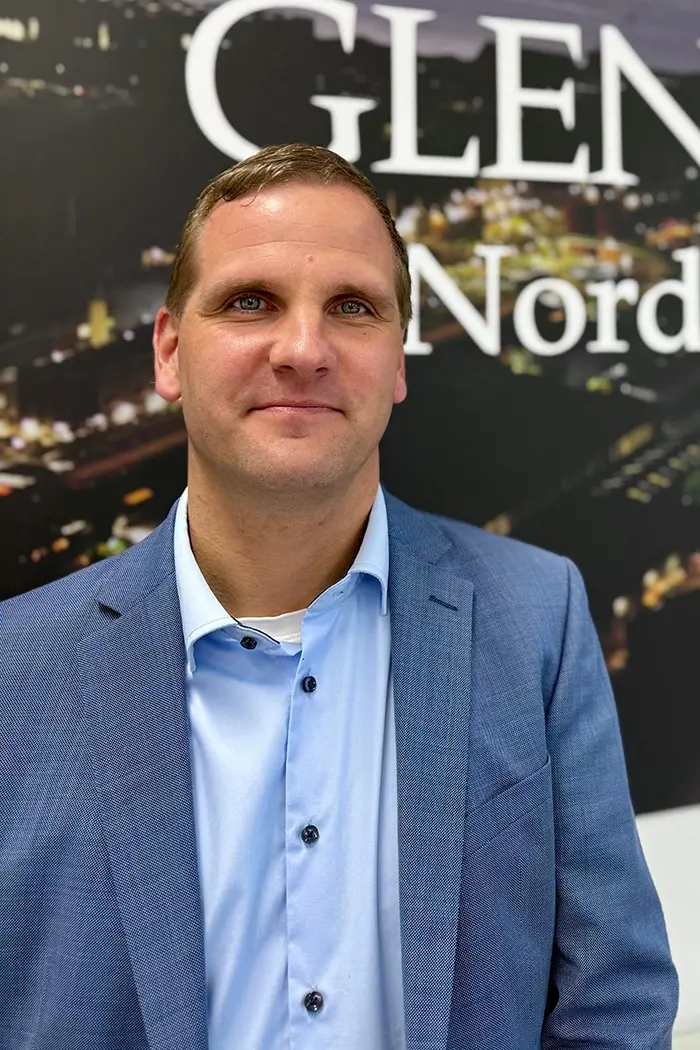
European Smelting and Refining at a Crossroads: Competitiveness, Sustainability, and Resilience
Dr. mont. Christoph Zschiesche is Chief Technology Officer at Glencore Nordenham, one of Europe's major lead and zinc smelting and refining sites. He studied Non-Ferrous Metallurgy at the TU Bergakademie Freiberg, graduating as Dipl.-Ing. in 2011, and earned his doctorate in Non-Ferrous Metallurgy from the Montanuniversität Leoben in 2024. Prior to joining Glencore in 2021, he held several research, development, and leadership positions at Aurubis. He also serves as Chairman of the Lead Committee of the GDMB Society of Metallurgists and Miners and is a member of its Executive Board.
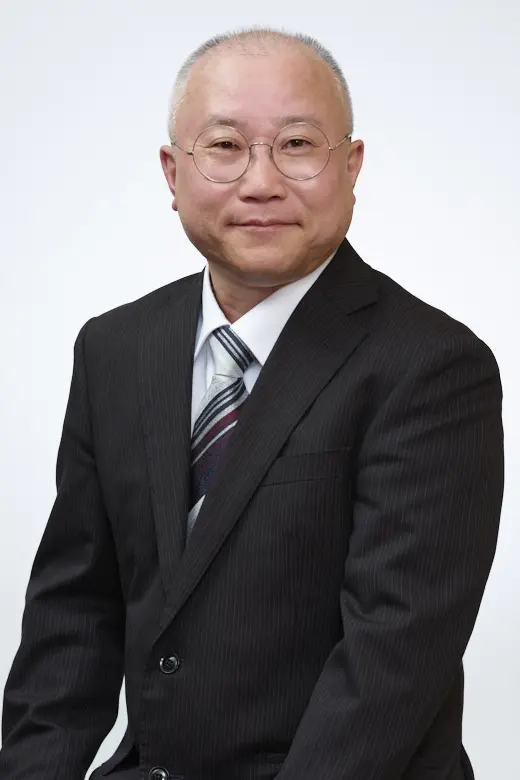
Integrated Multi-metal Smelting as a Platform for a Resource-Circulating Society: The DOWA Experience
Shigeki Satoh is the president of DOWA METALS & MINING Co.,Ltd. He earned a bachelor's degree in chemical engineering from Tohoku University in 1989 and a master's degree from the Graduate School of Engineering at the same university in 1991. In the same year, he joined DOWA MINING Co.,Ltd. (now DOWA HOLDINGS Co.,Ltd.) and has been in charge of pyrometallurgy and hydrometallurgical processing of various metals. He served as president of Nippon PGM Co.,Ltd. in 2021 and president of Kosaka Smelting and Refining Co.,Ltd. in 2024. He currently oversees DOWA's smelting operations.
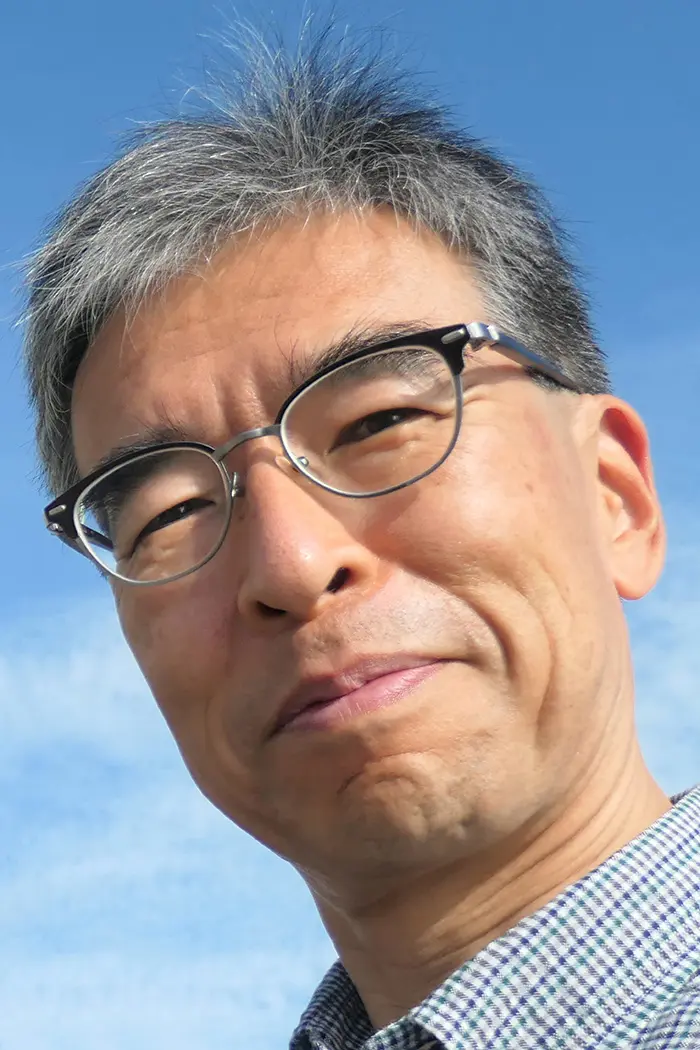
Electrochemical Deposition of Metals Using Hydrate Melt-Based Electrolytes
Kuniaki MURASE received the B.E. degree in applied chemistry in 1991, and PhD degree in engineering in 1996 from Osaka University. From 1993 to 1996, he was the Research Fellow of JSPS. In 1996 he joined the Department of Materials Science and Engineering, Kyoto University, as a Research Associate, and became a full Professor in 2012. His current research interests include electrochemical/chemical processing of metals, alloys, and compounds for surface finishing, thin-layer formation, and hydrometallurgy using aqueous, non-aqueous, or ionic-liquid media. He has written more than 200 peer-reviewed scientific papers.
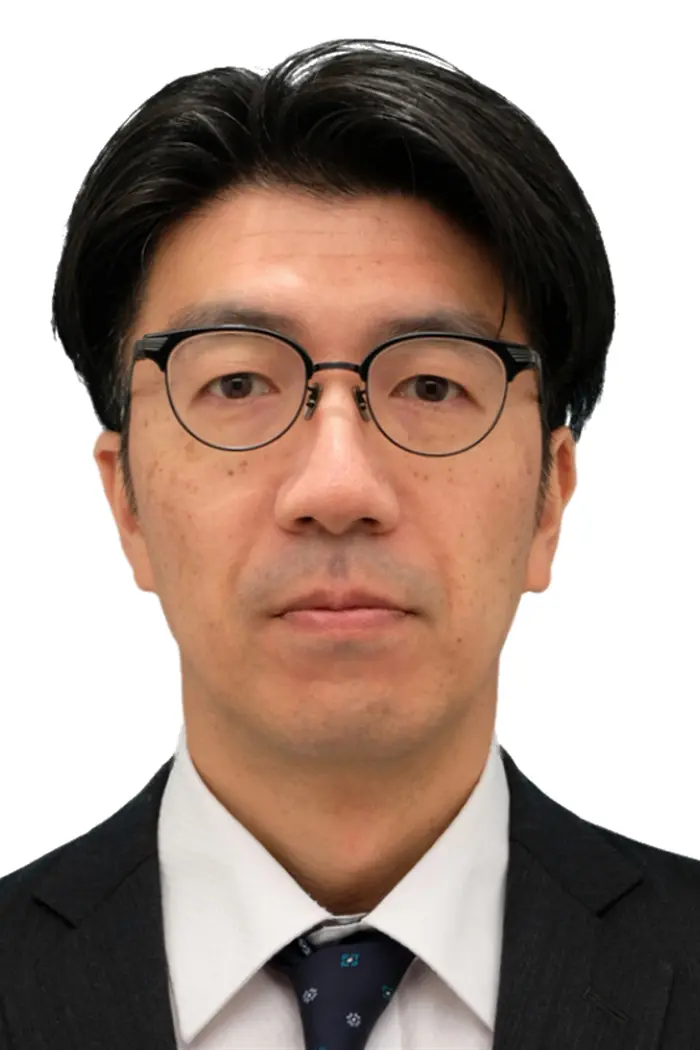
Fundamental Study on the Development of a New Steelmaking Dust Recycling Process for Zinc Production through Pyrometallurgical Route
Dr. Hiroyuki MATSUURA is a Professor in the Department of Materials Engineering, Graduate School of Engineering, The University of Tokyo. He earned the B.E. degree in 2001 and the Ph. D. in 2006 from The University of Tokyo. He has put significant effort into understanding the physical chemistry of pyrometallurgical phenomena. Recent major research directions include the elucidation of non-metallic inclusion evolution mechanism across various steelmaking stages and the establishment of an efficient and sustainable zinc-bearing EAF dust recycling process. He has made more than 130 peer-reviewed publications and 120 international conference presentations.
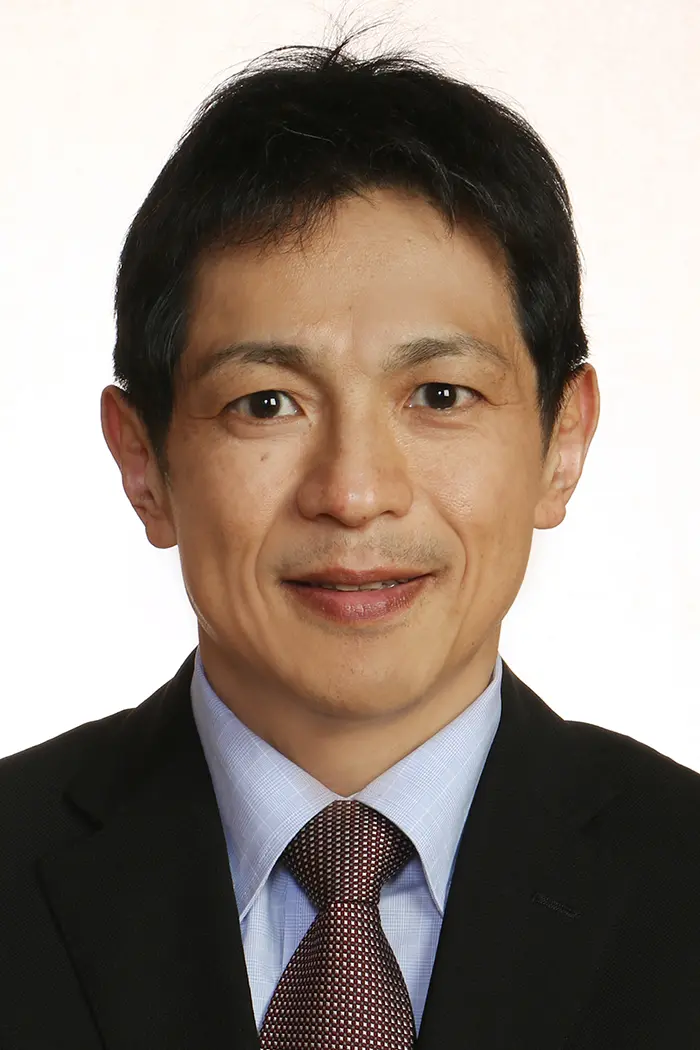
Technological Challenges in Mineral Processing for Sustainable Mineral Recovery
Atsushi Shibayama is a professor of mineral processing and extractive metallurgy in Akita University, Japan. He graduated from Kyushu University and held a Dr. of Engineering in 1999. In the same year, he worked in KUBOTA Corporation. Since 2000, he had moved to a research associate in Akita University, and he was promoted to associate professor and professor in 2003 and 2009,
respectively.
He is currently (in 2026) an executive board members of the MMIJ, an executive board member and the president (and representative director) of the RPSJ, and the President of the SMERJ.
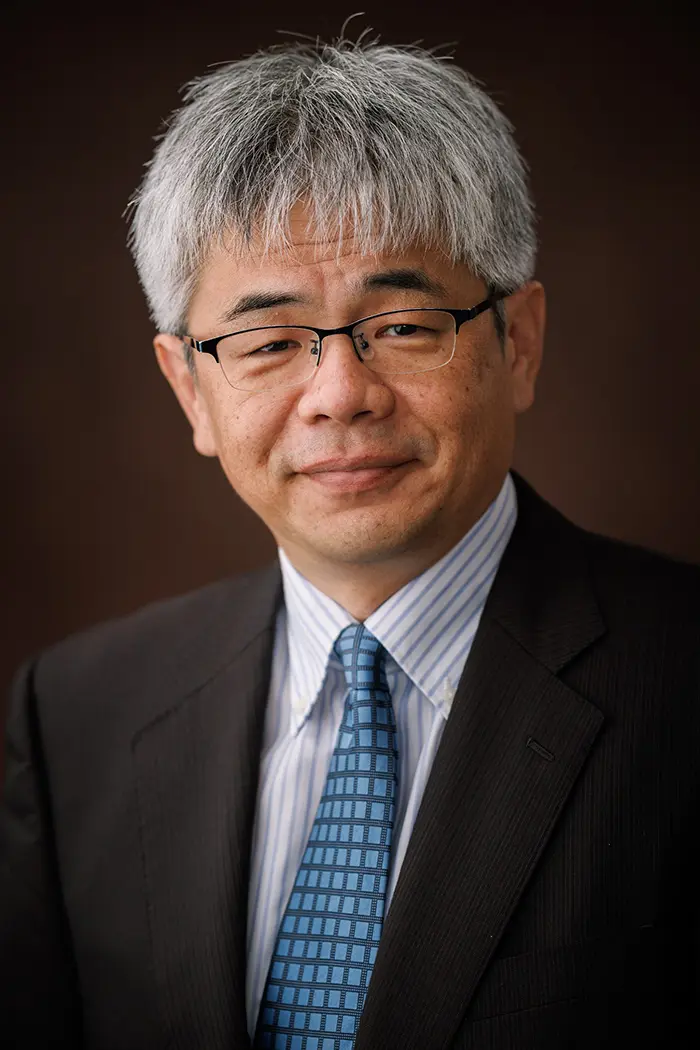
Physical Chemistry Lecture: Recommended Introduction to Electromotive Force Calculation
Tetsuya Uda is a Professor in the Department of Materials Science and Engineering at Kyoto University. He earned his B.S. degree from Kyoto University in 1994 and his Ph.D. from Tohoku University in 1999. After serving as a Research Associate at Tohoku University and a Postdoctoral Scholar in Caltech, he joined the faculty of Kyoto University in 2005. With a strong background in chemical thermodynamics, his current research focuses on: (1) protonic ceramic fuel cells, (2) the development of new continuous titanium production processes, (3) safe recycling processes for lithium-ion batteries, and (4) high-efficiency processes for non-ferrous metals.